Corticosteroid Injections
Corticosteroid injections deliver concentrated anti-inflammatory medication directly into the joint, tendon sheath, or soft tissue driving your pain.
Used when oral medication and physical therapy have not delivered enough relief, the injection calms inflammation at the source so you can move, sleep, and rehabilitate without fighting through a flare.
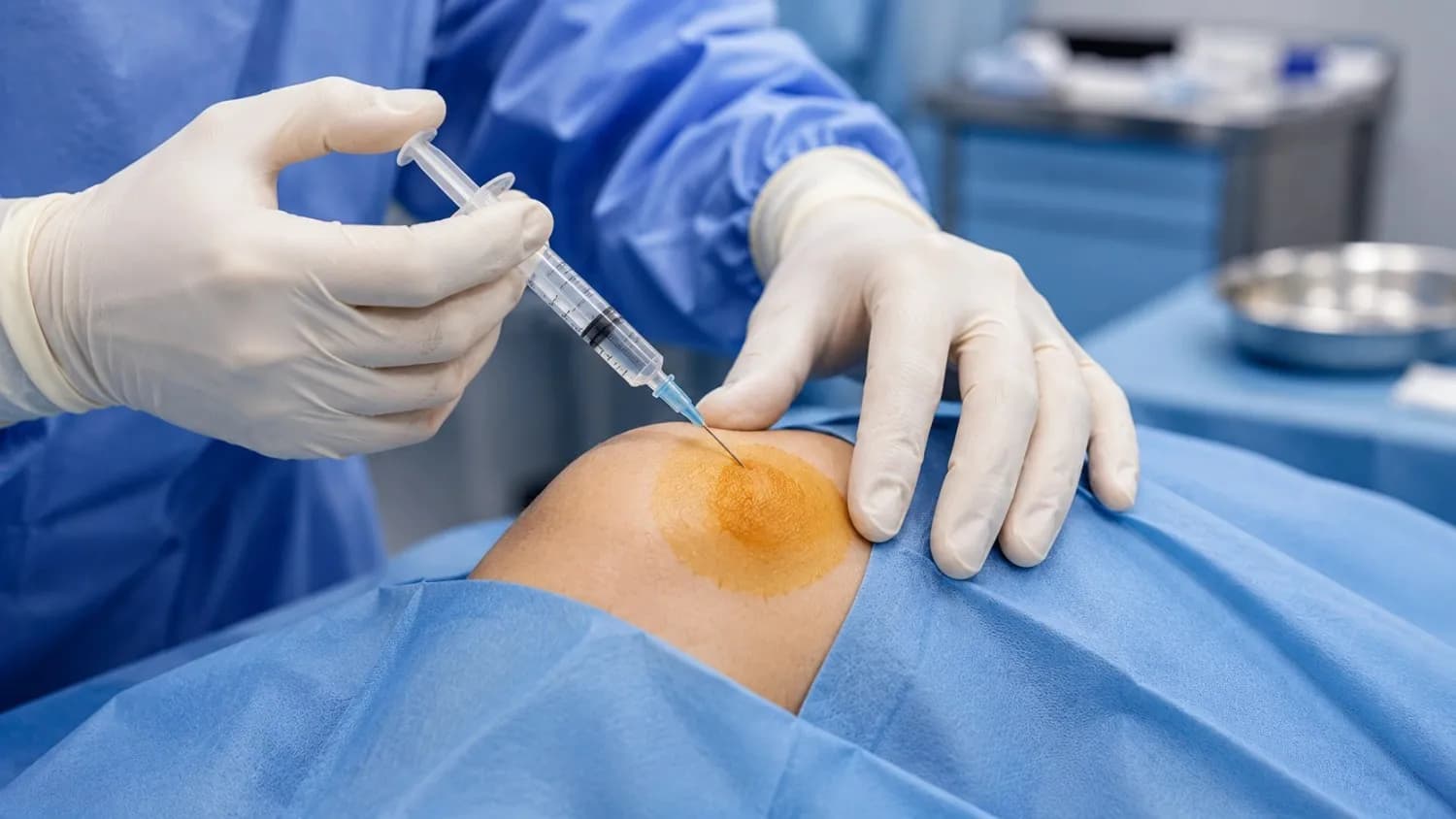
What this treatment is and why it is used.
Corticosteroid injections are one of the most established interventional pain tools. By placing a small dose of long-acting steroid medication exactly where inflammation lives, the injection reduces swelling, irritation, and pain signaling in a single targeted joint or soft-tissue structure.
Patients are typically referred for a corticosteroid injection when conservative care — rest, anti-inflammatories, physical therapy, activity modification — has plateaued. The goal is rarely the injection alone; it is to lower pain enough that meaningful rehabilitation, return-to-work, and sleep can resume.
At Interventional Pain Management, every injection plan begins with a clinical evaluation, review of imaging when available, and a discussion of the joint or region most likely generating your pain. That decision drives whether a corticosteroid injection is appropriate, where it should be placed, and how it fits into a broader treatment arc.
Our team starts with a clinical evaluation to confirm the pain generator before any procedure.
The procedure, step by step.
Every step is designed for accuracy and comfort. You will know what to expect before, during, and after.
We confirm the pain generator through history, exam, and any recent imaging before recommending the injection.
You are positioned for clean access to the joint or soft-tissue target. The skin is prepped and a local numbing agent is applied.
When the target benefits from precision (deeper joints, complex anatomy), fluoroscopy or ultrasound is used to verify needle placement.
A small volume of corticosteroid, often combined with a local anesthetic, is delivered into the target structure.
You are monitored for a short period, given written aftercare instructions, and discharged shortly afterward.
Before, during, and after the appointment.
Continue routine medications unless instructed otherwise. Eat normally, hydrate, and arrange a driver if sedation is planned. Tell us about blood thinners, recent infections, or pregnancy.
The procedure itself is brief. You will feel positioning, a small pinch from the numbing medication, and pressure as the steroid is delivered. Most patients describe it as well tolerated.
You may feel temporary numbness from the local anesthetic. Soreness at the injection site is common for 24–48 hours. Steroid relief typically begins within several days.
What recovery typically looks like.
Most patients return to light daily activity within hours and resume full routine within 24–48 hours. We recommend avoiding heavy exertion of the treated area for the first day, applying ice if soreness develops, and pairing the injection with the physical therapy or home program your care team has outlined.
Candidacy is determined after a clinical evaluation.
Corticosteroid injections are generally well tolerated, but they are not appropriate for every patient. Candidacy is determined after a clinical evaluation that considers your diagnosis, prior treatments, imaging, medications, and overall health. We discuss the conservative trade-offs of any injection openly during your consultation so the plan reflects your goals.
Medicare and major insurance accepted.
Corticosteroid injections are commonly covered by Medicare and major commercial insurance plans when medically necessary. Our team verifies your benefits before the procedure, explains any expected patient responsibility, and coordinates authorizations directly with your carrier.
See accepted insurance plansCommon pain patterns we pair with corticosteroid injections.
Procedures that often work alongside this one.
Questions patients ask about this procedure.
How quickly will the injection work?
Many patients notice meaningful relief within two to seven days as the steroid takes effect. A short-acting numbing component may provide brief relief immediately after the procedure.
How many injections can I have?
Repeat injections are spaced according to clinical guidelines and your individual response. We aim to use the fewest injections that support durable rehabilitation rather than relying on injections indefinitely.
Will I be sedated?
Most corticosteroid injections are performed with local numbing only. Sedation is reserved for select procedures and is discussed in advance.
Can I drive myself home?
If only local anesthetic is used, most patients drive themselves. If sedation is planned, you will need a driver — we confirm this before scheduling.
Talk to a board-certified pain specialist.
We see new patients by referral across our Pasadena, Baytown, and Katy clinics. Our team will verify your insurance and walk you through the next step.
- Board-certified, fellowship-trained physician
- Medicare and major insurance accepted
- Three Greater Houston locations
- Bilingual staff and direct phone access
Request a corticosteroid injections consultation
Concentrated anti-inflammatory medication placed directly into the joint or soft tissue driving your pain.